Liposuction Farmington Hills: Exploring Modern Fat Removal Techniques
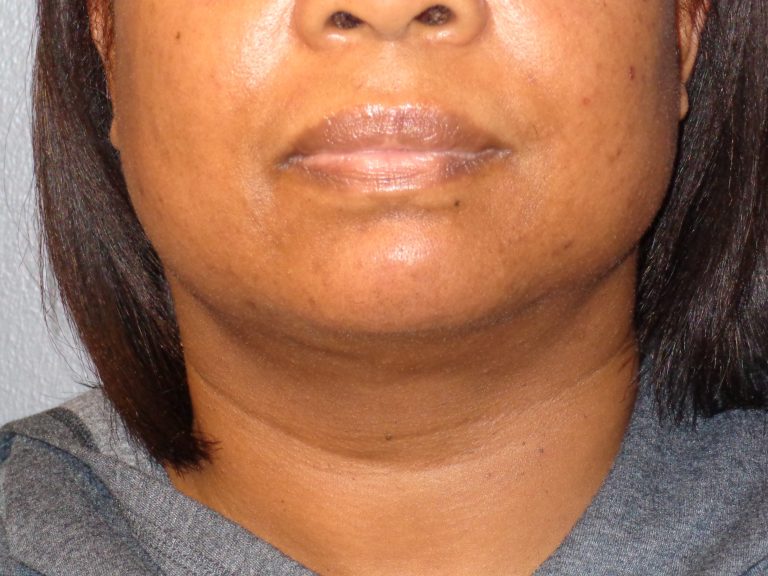
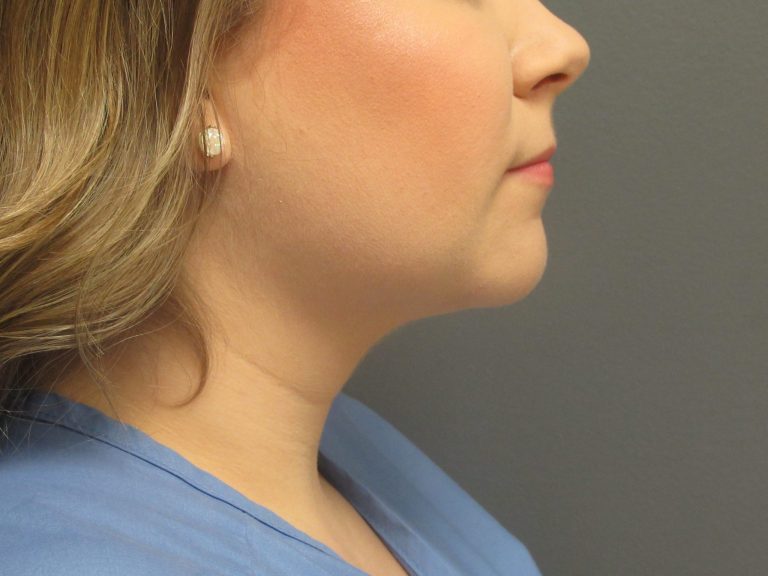
When people ask about liposuction, they are rarely asking a simple question. On the surface, it sounds straightforward: remove stubborn fat, improve shape, go home happier. In practice, the decision is more nuanced. The best outcomes come from understanding what liposuction can do well, where it has limits, and how modern technique influences both safety and results. For patients researching Liposuction Farmington Hills, that clarity matters. A smoother contour is not just about taking fat out. It is about choosing the right tool, the right plan, and the right surgeon for your anatomy.
Fat removal has changed significantly over the years. Earlier approaches could be more traumatic to surrounding tissue and less refined in terms of contouring. Modern liposuction, when performed thoughtfully, is more precise. Surgeons now have better infiltration methods, improved cannulas, more options for anesthesia, and technologies that can help in selected cases. That does not mean every newer device is automatically better. It means the conversation has moved beyond “How much fat can be removed?” and toward “How can shape be improved while preserving smoothness, proportion, and recovery?”
What liposuction actually treats
Liposuction is a body contouring procedure, not a weight loss strategy. That distinction sounds basic, but it is one of the most important points patients miss. Someone can be close to their goal weight, eat well, exercise consistently, and still carry localized pockets of fat that do not respond the way they want. The lower abdomen, flanks, inner thighs, outer thighs, upper arms, under the chin, and bra line are common examples.
A useful way to think about liposuction is that it is a sculpting procedure. It removes fat cells from targeted areas to improve silhouette and balance. It does not tighten severely loose skin, strengthen abdominal muscles, or treat the underlying connective tissue changes associated with cellulite. A patient with a postpartum lower abdomen, for example, may have some excess fat, some skin laxity, and some muscle separation. Liposuction can address the fat component, but it will not repair the muscles. In that setting, an abdominoplasty may be the more complete operation, or liposuction may be one part of a combined plan.
This is where careful assessment makes a real difference. Two patients can both say, “I want my stomach flatter,” yet need entirely different recommendations based on skin elasticity, age, weight stability, prior surgery, and how the fat is distributed.
Why modern techniques matter
The broad concept of liposuction has stayed the same, but the method matters. Modern fat removal techniques aim to reduce bleeding, improve precision, and support a smoother contour. The core approach most surgeons rely on is tumescent liposuction. In this technique, a fluid containing saline and medications is placed into the treatment area before fat removal. That fluid helps constrict blood vessels, reduce discomfort, and create a more workable field for contouring.
From there, surgeons may use different tools depending on the area and the goal. Power-assisted liposuction uses a vibrating cannula that helps break up fat with less manual force. Many surgeons find it particularly helpful in larger areas, fibrous tissue, and revision cases, where dense scar tissue can make traditional movement more difficult. Ultrasound-assisted liposuction uses ultrasonic energy to emulsify fat before removal. It can be useful in select body zones and in patients with denser fat, though it requires judgment and experience. Laser-assisted systems are marketed for both fat removal and some degree of tissue contraction, but results vary, and the technology should never be treated as a substitute for good surgical technique.
The key point is that no device rescues a poor plan. A skilled surgeon may use a relatively simple setup and produce an elegant result because the artistry lies in assessment, depth control, symmetry, and restraint. On the other hand, an expensive machine does not guarantee finesse. In body contouring, judgment often matters more than gadgetry.
Matching the technique to the body area
One reason modern liposuction feels more personalized is that different body areas behave differently. The under-chin region demands fine control because even small irregularities can be visible. The abdomen often requires broad blending so the transition into the flanks looks natural. Male chest contouring can involve fibrous tissue that does not aspirate the same way as softer abdominal fat. The upper back and bra roll can also be quite fibrous, which may influence instrument choice.
A patient in Farmington Hills who wants contouring of the abdomen and love handles may be a good candidate for power-assisted liposuction because it allows efficient treatment over a larger surface. Someone focused on the neck may benefit from a more delicate approach that prioritizes precision and skin redraping. A revision patient, especially one who has had prior liposuction elsewhere, often requires more patience because scar tissue can distort the normal plane and raise the risk of contour irregularity if the area is overworked.
This is one of the reasons “How much does lipo cost?” can be a misleading first question. A small, technically demanding area can require more finesse than a larger, straightforward one. Surgical complexity is not always obvious from the outside.
The best candidates often share the same traits
The patients who tend to do best are usually not chasing a dramatic transformation from liposuction alone. They are at a relatively stable weight, in good general health, and realistic about what body contouring can and cannot accomplish. Skin quality matters more than many people expect. Good skin elasticity helps the tissues contract and settle after fat removal. When skin is thin, stretched, or lax, the result may improve shape but still leave looseness behind.
Age by itself is not the deciding factor. I have seen patients in their fifties and sixties heal beautifully because their skin quality, health, and expectations were favorable. I have also seen younger patients with poor elasticity from major weight fluctuations who were better served by an excisional procedure instead of liposuction alone. The body does not read birthdays, but it does show wear, stretch, scar patterns, and hormonal history.
Patients considering Liposuction Farmington Hills should also be honest about lifestyle. Liposuction removes fat cells from treated areas, but it does not freeze the body in time. Weight gain after surgery can still affect the result. The contour may remain improved compared with baseline, yet proportions can shift. The most durable outcomes usually belong to people who treat surgery as a finishing step, not as a replacement for long-term habits.
Where expectations often go off course
There are a few recurring misconceptions that deserve direct attention. One is the belief that more removal always means a better result. It often does not. Over-resection can create hollows, ridges, adhesions, and an unnatural look, especially in the abdomen, thighs, and hips. Another misconception is that liposuction automatically tightens loose skin. Mild skin contraction can happen, particularly in younger patients or with limited treatment, but significant laxity usually needs a different solution.
A third issue is speed. Some patients expect to look “done” within a week or two. In reality, swelling can be stubborn. Early photos often michellehardawaymd.com Liposuction Farmington HIlls do not reflect the final contour. The tissues need time to settle, soften, and reveal the underlying shape. This is especially true when multiple areas are treated at once.
The best consultations often include a little disappointment at first, because good surgeons will tell patients what not to expect. Oddly enough, that honesty tends to produce better satisfaction later.
The consultation: what should be discussed
A productive consultation goes beyond talking about cup sizes, pant sizes, or a target number on the scale. It should cover anatomy, skin quality, medical history, medications, prior surgery, recovery logistics, and whether another procedure might provide a better solution. Photos are usually part of that conversation because they reveal asymmetries and contour transitions that patients may not notice.
Here are a few questions worth bringing to a liposuction consultation:
- Which technique do you recommend for my body area, and why?
- Am I a better candidate for liposuction alone or a combined procedure?
- How much swelling should I realistically expect, and for how long?
- What does my skin quality suggest about likely tightening after surgery?
- How often do you perform contouring in this specific area?
These questions tend to move the conversation from marketing into medicine. They also help distinguish a surgeon who individualizes the plan from one who gives every patient the same pitch.
Anesthesia, incision size, and what surgery day feels like
Depending on the extent of treatment, liposuction may be performed under local anesthesia with sedation or under general anesthesia. Small areas, such as the submental region under the chin, can sometimes be handled with a lighter anesthetic plan. Larger areas or multi-area contouring often make more sense under general anesthesia for comfort and efficiency.
The incisions are typically small, just large enough to allow passage of the cannula. Their placement matters. A well-hidden incision in a natural crease or discreet transition zone can heal very inconspicuously. Even so, incision healing varies. Some patients scar faintly, while others tend toward more visible marks despite careful placement.
During the procedure, the surgeon infiltrates fluid, then removes fat in controlled passes. The artistry lies in blending. It is not enough to flatten one zone. The surrounding areas have to transition naturally. The waist has to flow into the hip. The lower abdomen has to relate to the upper abdomen. The Liposuction Farmington HIlls underarm fullness should not look disconnected from the lateral chest. This is where experience shows.
Recovery is usually easier than patients fear, but slower than they hope
Many patients are surprised that liposuction recovery is more soreness and swelling than sharp pain. It can feel like a deep bruise or the aftermath of an intense workout in areas you did not know you had. Compression garments are commonly used to support the tissues and help manage swelling. Drainage from the tiny incision sites can happen early on, particularly after tumescent infiltration, and that is often expected.
The more important issue is timing. People tend to underestimate how long swelling lingers. Most return to desk work fairly quickly, often within days to about a week depending on the extent of surgery and the nature of their job. Social recovery is different from final-result recovery. You may feel functional before you look polished.
A typical recovery arc often looks like this:
- The first several days bring drainage, swelling, bruising, and stiffness.
- By the second week, many patients move more comfortably and resume light routines.
- Over the next one to three months, the contour usually becomes more defined as swelling fades.
- Subtle refinement can continue for several months, especially in larger or fibrous areas.
One practical point that patients appreciate hearing in advance is that numbness or altered sensation is common for a while. It usually improves, but it can last longer than expected. Firmness under the skin can also develop during healing and then soften gradually.
Risks that deserve a plainspoken discussion
Every surgery carries risk, and body contouring should not be presented as casual. Liposuction can be performed safely, but safety depends on patient selection, surgical setting, anesthesia planning, and respect for limits. Possible complications include contour irregularities, asymmetry, prolonged swelling, fluid collections, pigmentation changes, infection, scarring, numbness, and the need for revision. Broader surgical risks, such as blood clots or anesthesia complications, also belong in the consent discussion.
One issue that does not get enough public attention is the risk of poor aesthetic judgment rather than a true medical complication. Overaggressive suctioning can leave someone technically healthy but aesthetically dissatisfied for years. Revision liposuction can help in some cases, and fat grafting can sometimes soften defects, but secondary contour work is often harder than primary surgery. Conservative, balanced planning usually ages better than extreme reshaping.
That is another reason the phrase “best liposuction” can be misleading in online searches. The best result is not necessarily the most dramatic before-and-after image. It is the one that looks proportional in clothing, natural in motion, and stable over time.
Combining liposuction with other procedures
Liposuction is frequently combined with other contouring procedures when anatomy calls for it. The most common examples include tummy tuck surgery for loose abdominal skin and muscle laxity, breast procedures for overall trunk balance, and fat transfer in selected cases where one area needs reduction and another could benefit from volume. Some patients want both debulking and shaping, especially around the waist, hips, or buttocks, and that requires thoughtful planning about proportions and safety.
Not every combination is wise for every patient. Longer operative time, higher total aspirate volume, existing medical conditions, and the extent of tissue dissection all factor into the decision. The safest plan is not always the most ambitious one, and surgeons with mature judgment are usually comfortable saying no to an overloaded operative wishlist.
How to think about cost without losing the plot
Cost matters, but it should be framed correctly. Price can vary based on the number of areas treated, the technique used, anesthesia type, operating facility fees, postoperative garments, and the surgeon’s training and experience. A lower price may be perfectly reasonable in some settings, but an unusually low quote should prompt careful questions. It is worth knowing exactly what is included and whether revisions, follow-up visits, or compression supplies are additional.
For patients evaluating Liposuction Farmington Hills, the better value question is not “Who is cheapest?” It is “Who is likely to assess me honestly, operate safely, and create a result that still looks good a year from now?” Revision surgery is usually more expensive, more emotionally draining, and less predictable than getting the first operation right.
Choosing a surgeon in Farmington Hills
Local convenience matters more than people think. Follow-up visits are easier when the practice is accessible, and recovery is less stressful when care is close to home. That said, proximity should not outweigh expertise. Training, board certification, before-and-after consistency, hospital privileges if applicable, and a clear, unhurried consultation all deserve careful attention.
If you are comparing surgeons, pay close attention to how they talk about your body. Do they point out skin quality, asymmetry, and the need for blending? Do they discuss what liposuction will not fix? Are the before-and-after photos consistent in lighting, angle, and posture? A strong practice will usually have a calm confidence to it. There is less sales pressure, more specificity, and more willingness to tailor the plan to your anatomy rather than forcing your anatomy into a standard package.
Farmington Hills patients are often balancing professional schedules, family obligations, and a desire for discretion. Those practical concerns should be part of the planning process. Timing around work, who will drive you home, how compression fits under clothing, and when exercise can resume all affect the experience. A thoughtful surgeon addresses these details instead of focusing only on the procedure itself.
What results tend to age well
The results that hold up best usually share a few traits. They respect natural anatomy. They preserve softness where softness belongs. They create definition without harshness. Most important, they look believable from every angle, not just in a staged front-facing photo. Good contouring should complement the patient’s frame, not compete with it.
There is also a subtle emotional piece to successful liposuction. The happiest patients are not always the ones with the most dramatic change. They are often the ones who feel that their outside shape finally matches the effort they have already been putting into their health. Their clothes fit better. Their waistline makes more sense to them. They stop fixating on one resistant area. That is a meaningful outcome, and it is often more realistic than chasing perfection.
For anyone researching Liposuction Farmington Hills, the smartest approach is to see liposuction for what it is: a powerful contouring tool with real limitations and real potential. Modern fat removal techniques have made the procedure more refined, more customizable, and often more patient-friendly than many people realize. Still, the best technology in the world does not replace experience, restraint, and anatomical judgment. When those elements come together, liposuction can do something deceptively simple and surprisingly hard at the same time, remove what does not belong, and leave behind a shape that feels naturally yours.
Aesthetic Plastic Surgery & Laser Center, Michelle Hardaway M.D.
27920 Orchard Lake Rd
Farmington Hills, MI 48334
(248) 221-1957
FAQ About Liposuction Farmington Hills
What disqualifies you from getting liposuction in Farmington Hills?
A surgeon may recommend postponing or avoiding liposuction if a health condition, medication, or nicotine use raises the risk of surgery or poor healing. A consultation is needed to assess your medical history and whether the procedure fits your goals.
Can liposuction remove 20 pounds?
Liposuction is a body contouring procedure for localized fat. It is not a weight loss treatment, and a specific number of pounds is not a safe or useful target. The surgeon determines how much can be removed safely for each patient.
What are the risks of liposuction?
Risks include infection, changes in sensation, uneven contours, and complications from anesthesia or blood clots. A plastic surgeon can explain which risks apply to you and what to expect during recovery.
Ends · ELLIOTTXGMB377